Selvedge denim weight: what 12 to 16 oz means for seasons and break-in
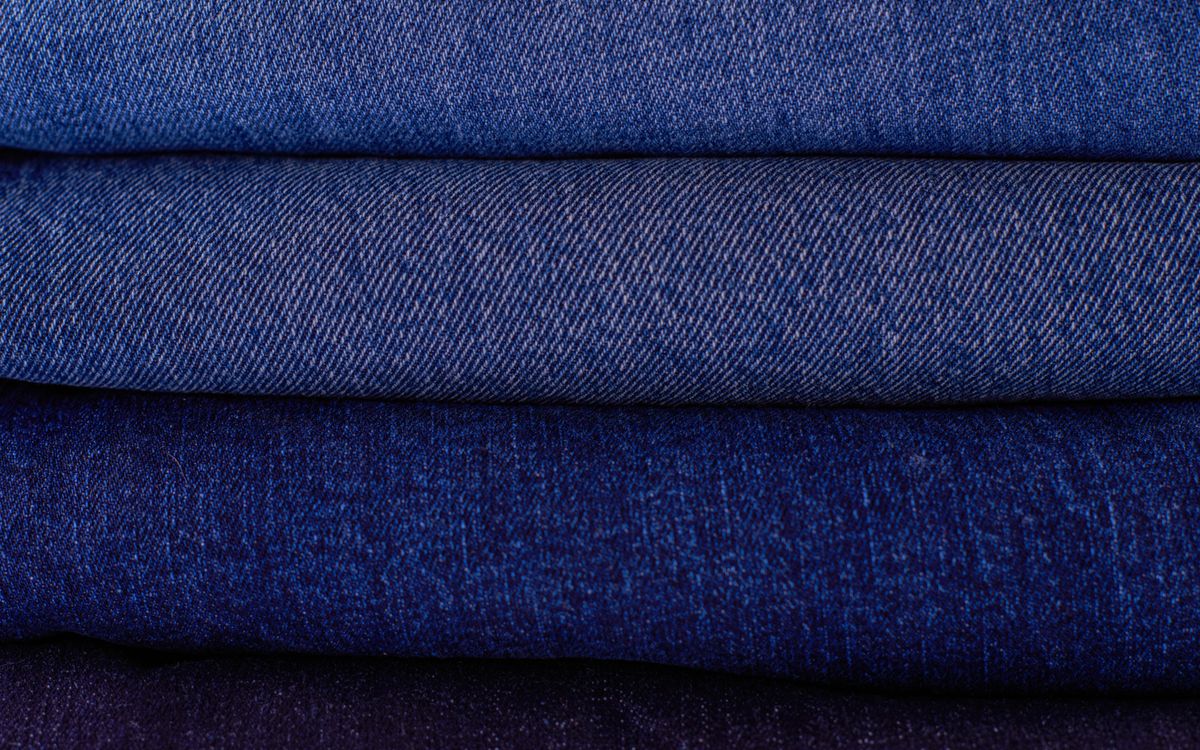
Selvedge denim is sold almost entirely on weight, and the ounce figure on the product page is the most useful number it gives you. Weight maps to season, to break-in difficulty, and to how the fabric fades — which makes 12 to 16 oz the real decision space for a first pair. This guide walks the weight bands, what each feels like on the body, and how the same jean changes character across a year of wear.
Short answer
Selvedge denim runs from roughly 12 oz to 16 oz and up, and the ounce figure is a season map: 12-13 oz breathes enough for hot months, 14-15 oz is the three-season standard, and 16 oz and above is cold-weather denim that blocks wind and breaks in slowly. Heavier is not better — heavier is winter-ier. Pick the weight for the climate the jeans will actually be worn in, not for the label.
What the ounce figure measures
Denim weight is quoted in ounces per square yard of fabric (oz/yd²), the same figure mills have stamped on selvedge selvage-edge rolls for decades. Multiply by 33.9 to get gsm, so a 14 oz denim is roughly 475 gsm — a number that makes clear how far this fabric sits above shirting weights. The ounce count captures yarn thickness and weave density together: heavy denim is woven from thicker yarns packed into the same 3x1 twill grid, which is why weight rises in steps rather than continuously.
Because the figure is area-normalized, it is the one honest cross-brand comparison in the category. Two mills can call a jean “classic” or “workwear-cut,” but 14.5 oz on one tag and 12 oz on another states the real difference outright. The caveat is the same one that applies to any fabric weight figure: the number says nothing about yarn quality, dye method, or weave tension, so two 14 oz denims can still age differently. Weight is the season axis; quality is a separate axis.
| Weight band | Approx. gsm | Character on the body | Season |
|---|---|---|---|
| 12-13 oz | 405-440 | Lightest mainstream band; bends readily, breathes some; fast break-in | Warm months |
| 14-15 oz | 475-510 | The standard; structured but wearable from the first week | Three seasons |
| 16 oz + | 540 + | Dense, stiff at first, blocks wind; slow to shape | Cold months |
12-13 oz: the hot-weather band
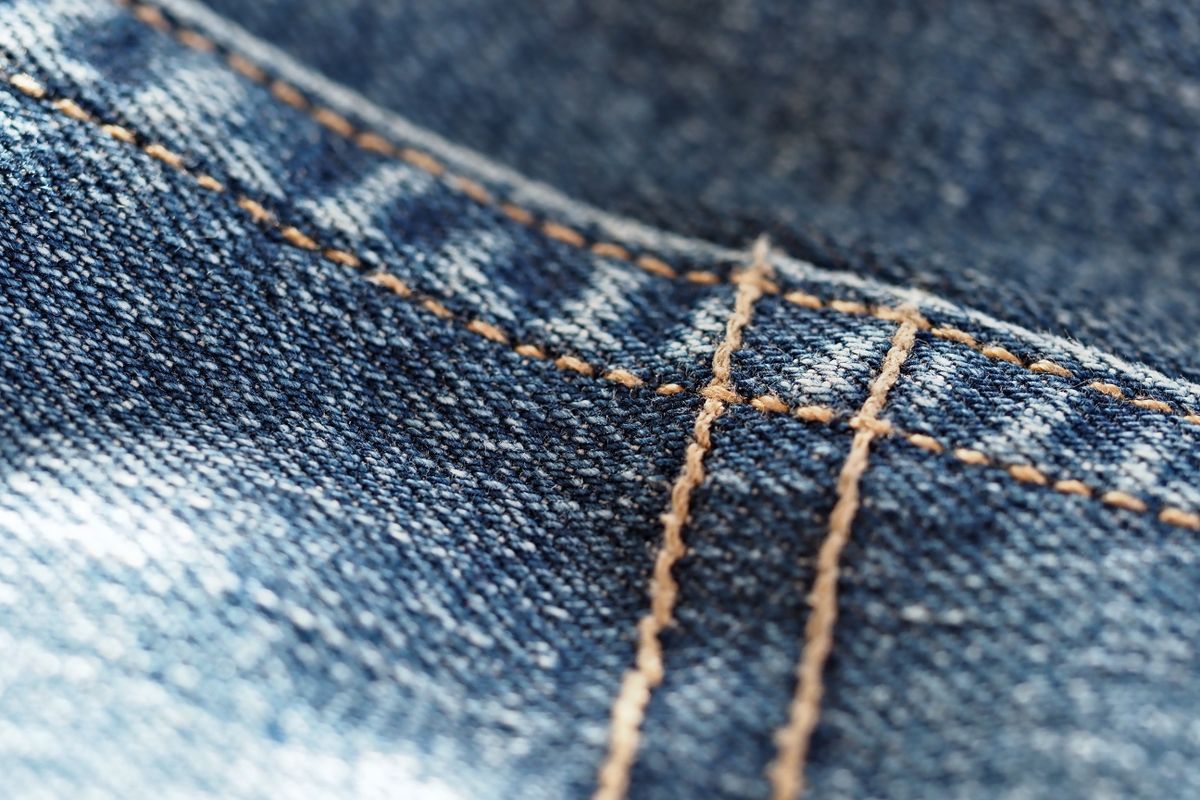
At 12 to 13 oz, selvedge denim is still a substantial fabric by shirting standards, but it loses the wind-blocking density that makes heavier jeans oppressive in heat. The twill bends more easily at each crossing, so the jean wrinkles softly at the knee instead of holding a crease, and air moves through the weave enough to matter on a warm commute. Break-in at this band is short — the fabric starts wearable and reaches its shaped, faded form within weeks of regular wear rather than months.
The band’s one weakness is structure. Light denim droops at the seat faster and holds a silhouette less firmly, which is why tailored-leaning cuts are cut heavier. It is also the band most likely to be washed frequently without regret: since it is a warm-weather garment worn against sweat, the washing rhythm question — covered properly in the denim washing guide — arrives sooner than it does for winter-weight pairs.
14-15 oz: the three-season default
The 14 to 15 oz range is where most selvedge denim sits, and the reason is practical rather than traditional. At roughly 475-510 gsm the fabric has enough yarn mass to stand away from the leg, hold a cuff, and block a cool wind, while still bending enough that a new pair feels stiff rather than armored. Break-in runs a few months of regular wear; the classic arc goes from cardboard-stiff through a stretch phase where the fabric shapes to the knee and seat, into a settled state where the jean keeps its crease and the indigo begins to map friction.
This is also the band where the fade-versus-comfort trade balances. Heavier denim holds sharper fade contrasts because the stiffer fabric abrades at defined points — knee backs, pocket edges, hem lines — while lighter denim blurs the same wear into a general paleness. Anyone buying selvedge partly for how it ages is effectively buying this band.
16 oz and up: cold-weather denim
Above 16 oz, selvedge denim crosses into outerwear-adjacent mass — roughly 540 gsm and beyond, heavier per area than many jacket cloths. The fabric blocks wind almost completely, traps a still-air layer against the leg, and reads genuinely warm in winter; worn over a base layer it handles cold that lighter jeans cannot. The cost is everything the weight buys: a new 16 oz pair is stiff enough to resist sitting, the knees break in slowly, and cuffs and hem rings take months to soften.
Cold-weather denim has a second practical edge that listings rarely mention: wet cold. Dense heavyweight twill sheds drizzle and light snow better than the lighter bands, and it dries slowly enough that a soaked hem stays heavy for hours — a mixed blessing, but one that matters for anyone walking winters rather than driving them. For the same reason, heavy pairs reward rotation: two jeans alternated across a week dry fully between wears and keep their shape longer than one pair worn daily through a wet season.
| Decision factor | 12-13 oz | 14-15 oz | 16 oz + |
|---|---|---|---|
| Break-in length | Weeks | A few months | Months, sometimes longer |
| Warmth | Moderate | Solid | Genuine cold-weather |
| Fade character | Soft, diffuse | Sharp contrasts | Sharp, slow-developing |
| Best climate | Hot summers, mild winters | Temperate four-season | Real winters |
Matching weight to climate, not to label
The single most common selvedge mistake is buying weight as a status figure. A 16 oz jean bought in a warm-climate city becomes a winter-only garment, and winter-only jeans in a warm climate are an unworn purchase. The fix is honest accounting: count the months a year the jeans will be worn in genuine cold, and buy for those months. Roughly speaking, 12-13 oz suits cities where summer dominates, 14-15 oz suits temperate four-season climates, and 16 oz belongs where winters run long. The same weight-to-season logic that organizes the broader fabric weight map applies here with the numbers simply shifted upward.
Fit interacts with weight more than buyers expect. Heavy denim stretches less and recovers less, so sizing decisions made on lightweight jeans transfer badly — a 16 oz pair worn snug at the waist stays snug for months, while a 12 oz pair gives within weeks. Mills publish stretch behavior unevenly, which makes the ounce figure the more reliable planning number.
Weight and the first wash
Heavier denim changes the washing calculus for a structural reason: the more yarn mass a fabric carries, the more water it holds and the harder it dries, and the more the indigo-loaded surface stands to lose from machine agitation. Raw 16 oz denim washed hot and tumbled dries into a paler, tighter, softer garment within a cycle; the same wash on a 12 oz pair changes it less. This is why the “when to wash” debate is really a heavyweight debate — light pairs wash like ordinary clothes, heavy pairs preserve their contrast by washing rarely, cold, inside out, and air-drying flat.
One note bridges the two extremes: whatever the weight, the first wash shrinks raw denim a small fraction unless it is sanforized, and heavyweight cloth shrinks more dramatically in hand-feel than in actual dimension. The ounce figure is measured before finishing, so a washed 15 oz pair wears lighter than it measures — the fabric has loosened and softened even where the yarn count has not changed.
Reading a selvedge listing
A selvedge product page usually gives weight, fiber content, and the weave’s selvage edge story, in that order of usefulness. Weight first: place it on the band table and ask honestly what months it serves. Fiber second: 100% cotton behaves as described above; a small elastane share changes everything about break-in and fades, since stretch yarns recover instead of creasing and blunt the fade map. Third, finishing: raw (unwashed) versus washed determines the shrinkage and the first-months routine. Everything else on the page — the mill story, the shuttle-loom provenance, the cuff-flash photography — is provenance and pleasure, not performance data. The selvedge edge itself guarantees only one thing, that the denim was woven on shuttle looms, which is a nice fact about the fabric’s origin rather than a predictor of how it wears; the ounce line above it is the number that actually decides the purchase.
Frequently asked questions
- What weight is selvedge denim usually sold in?
- Most selvedge denim runs between 12 and 16 ounces per square yard, with 14 to 15 oz the most common core range. Anything below 12 oz is usually marketed as lightweight or summer denim; above 16 oz enters the heavyweight territory of specialty mills.
- Is heavier selvedge denim warmer?
- Yes, noticeably. Denim is a dense twill, and every extra ounce adds yarn mass that blocks wind and traps air, so a 16 oz jean is a genuine winter garment while a 12 oz one works in heat. The weight also changes stiffness, which changes the break-in.
- Do heavier jeans last longer?
- In abrasion terms, roughly yes — more yarn mass per area resists wear longer, which is why workwear ran heavy. But longevity depends on yarn quality and weave density as much as weight, and a heavy jean worn daily in heat will fade and stress faster at the seams than a lighter one worn in season.