How often to wash jeans: the never-wash myth, examined
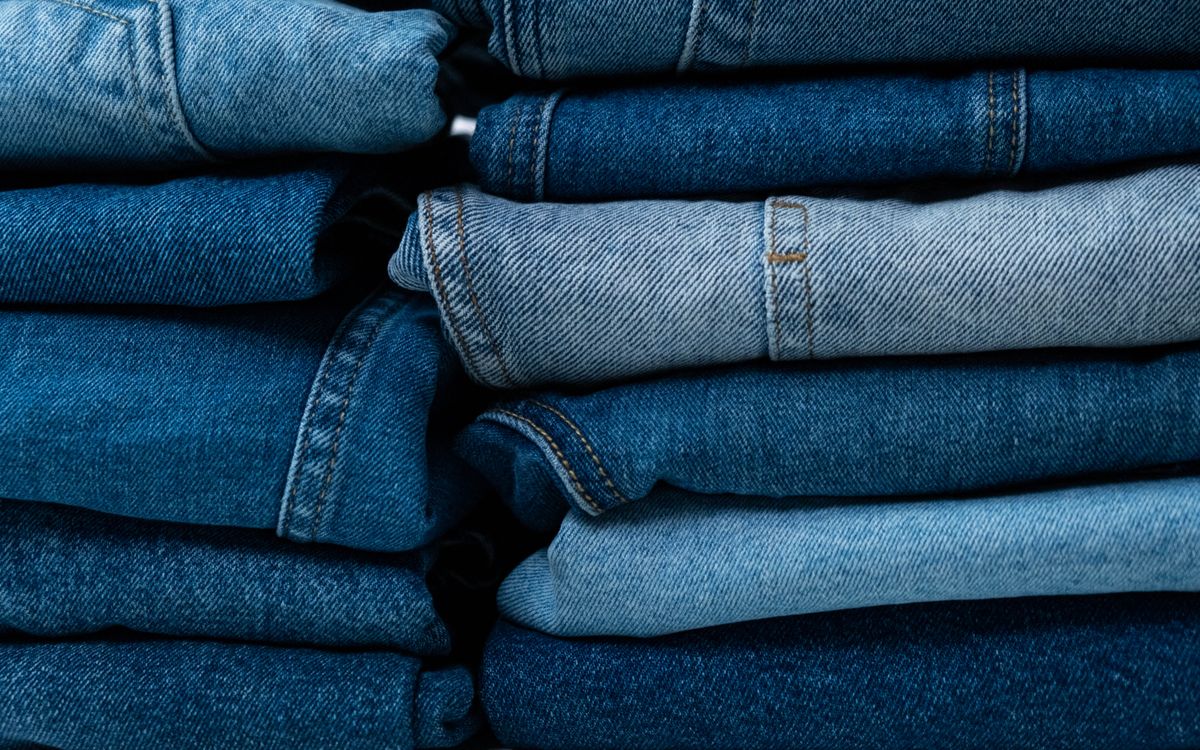
Few care questions carry as much folklore as washing jeans. One camp claims a pair should never see water; the other machine-washes weekly with the rest of the laundry. Both are answering different questions — one about fabric and fade, one about hygiene — and the honest answer sits between them, depending on what kind of denim is on the hanger.
Short answer
The never-wash rule exists to protect fade patterns in raw selvedge denim, not hygiene. Regular jeans wash every eight to twelve wears, cold, inside out, hang-dried; raw denim stretches that interval through spot cleaning and airing. Washing costs a little dye and some shape; not washing costs smell and, eventually, fabric-abrading grime. Neither cost is as dramatic as the folklore claims.
Where the myth came from
The never-wash doctrine traces to raw denim culture — unwashed, unsanforized selvedge fabric, mostly from Japanese mills, adopted by enthusiasts who wanted the fabric to record their wear. On rigid raw denim, the indigo sits on the yarn surface as a coating, and friction removes it exactly where the wearer folds and creases. Washing too early blurs the developing contrast before it sets: dye releases evenly, crease lines soften, and the sharp biography the wearer spent months writing gets edited down. So the culture’s advice became a number — six months, a year, longer — for a first wash that was deferred as long as the wearer could stand it.
The rule then escaped its context. It began as specialized advice for one fabric state — rigid, raw, high-indigo — and became general advice for all jeans, repeated until the reason for it disappeared. A pair of pre-washed, sanforized, elastane-blend jeans in mid-weight indigo has none of the raw pair’s fade economics, and the cost-benefit of deferring its first wash looks entirely different.
What washing actually costs a pair of jeans
Washing is not free; it just is not expensive. Three mechanisms run every time a pair goes through a cycle:
| Effect | Mechanism | Severity |
|---|---|---|
| Dye loss | Water dissolves some surface indigo; agitation abrades more | Noticeable in the first washes, mild after — the fabric lightens gradually and evenly |
| Shape change | Cotton twill relaxes under water tension; the fit loosens slightly | Partly reversible — wearing re-tightens the weave, and the waist recovers most |
| Elastane wear | Each heat cycle degrades stretch fibers | Only relevant in stretch blends; the reason they wash cold and skip the dryer |
The dye cost is real but self-limiting: after the first few washes remove the loosest indigo, subsequent cycles change little. The shape cost is the one that surprises people — a freshly washed pair feels tighter again, because the wash removed the stretch the wearing had worked into the weave. None of these effects compares to what a hot dryer does, which is why the dryer, not the washer, is the machine that ruins jeans.
What not washing costs
The other side of the ledger gets less attention. Skin carries bacteria that transfer to fabric, and worn denim accumulates them along with body oils, dead skin, and the environmental grime of a normal day. The microbial load in a pair worn for months is not dangerous in the way folklore sometimes implies — studies reported in the press on long-worn jeans found bacterial levels comparable to fresh pairs after a wash — but the smell becomes real, and the dirt does mechanical work too: grit ground into a twill abrades the yarns at the fold lines, wearing the fabric faster than the washing it replaced.
The honest accounting for a daily-worn pair, roughly: odor becomes noticeable well before a month of wears, waistbands and crotches carry the most soil, and dark overdyes tend to show sweat residue less than they hold it. In-between moves — airing after each wear, spot cleaning, steaming — extend the interval honestly. Freezing does not belong on that list; it stops bacterial growth for a night and accomplishes little else.
A washing rhythm by jean type
The interval depends on the fabric state more than on any principle:
| Jean type | Washing interval | Between washes | Notes |
|---|---|---|---|
| Regular indigo, pre-washed | Every 8-12 wears | Air after wear; spot clean | The default routine for most wardrobes |
| Stretch blends | Every 8-12 wears, cold only | Same | Heat is the enemy; skip the dryer entirely |
| Raw / selvedge, rigid | First wash after months; thereafter rarely | Air, spot clean, steam | Fade preservation is the point; hygiene handled by the in-between moves |
| Black and overdyes | Every 10-15 wears, cold | Turn inside out to wash | Dyes fade less visibly but sweat residue builds at the waistband |
| White or light washes | Every 5-8 wears | Same as regular | Soil shows faster; no fade economics to protect |
These intervals assume daily wear; a pair worn weekly stretches each number accordingly. The rhythm also self-corrects — smell, visible soil at the cuffs and waistband, and a fit that has relaxed too far are the three signals that override the calendar.
The wash method that minimizes the cost
When the interval arrives, the method is standard across all denim:
- Turn the jeans inside out. The indigo face gets protected from drum friction, and the surfaces that carry soil — the inside — get the direct exposure.
- Cold water, gentle or normal cycle. Cold limits dye loss and shape change; a full hot cycle is never the right call for denim of any kind.
- Mild detergent, modest dose. No bleach, no heavy enzyme formulas; enzymes are tuned for protein stains and eat away at finishes unevenly.
- Low spin. A hard spin presses deep creases into wet cotton and sets them in the next hour of drying.
- Hang dry, inside out, away from direct sun. Gravity dries denim without shrinking it. Direct sun fades the face unevenly.
The pair comes out of this process a size tighter and dries back into shape within a day of wear. For raw denim reaching its first wash, the same method applies, with one addition: the jeans wash inside out and alone, because a year of accumulated dye releases enough color to tint whatever shares the load. The fabric-side differences between denim weights and weaves — which change how much water and dye each cycle moves — run through the same structure described in the chambray-versus-denim comparison, and the weight ranges covered in the selvedge weight guide change the drying time and the fade speed along with them.
The verdict on the myth
As a care rule, never-washing jeans fails: soil accumulates, odor arrives, and grime abrades the fabric it claims to protect. As a style rule for one specific fabric, it works exactly as intended — raw indigo records wear, and washing erases the record. The mistake was generalizing a raw-denim practice to all denim. For the regular pair in most rotations, the label’s advice — the symbol grammar decoded in the care label guide — is the right one: wash when soiled, cold, and hang to dry. For the raw pair, wash rarely, deliberately, and alone, and the fades survive.
Frequently asked questions
- Do raw denim jeans really never get washed?
- In the raw-denim hobby, wearers often delay the first wash for months to let high-contrast wear patterns develop before water touches the fabric. It is a style decision with hygiene trade-offs, not a care requirement — the care label on the same jeans specifies machine washing, and spot cleaning plus airing handles the months in between. Regular, elastane-free raw denim tolerates it; anything with stretch or a dark overdye needs washing sooner.
- Does putting jeans in the freezer kill bacteria?
- No. Freezing stops bacterial growth temporarily but kills only a fraction of the organisms on fabric — most simply resume once the jeans warm up. Airing outdoors in sunlight does more for both smell and microbial load, and the freezer trick carries a side cost: condensation as the jeans thaw adds moisture to fabric that may not have been fully dry.
- Does hot water shrink denim?
- It can, in two ways. Manufacturing tension relaxes out during the first hot wash — some of that shrinkage partially recovers with wear and re-stretching. Heat drying is the harsher half: a hot tumble both advances shrinkage and hardens the fit, which is why cold washing and hang drying are the standard advice regardless of how often the jeans get washed.