Dress shirt weaves compared: poplin, twill, and royal oxford
Short answer
Dress shirt weaves differ in three properties that matter at arm’s length: surface smoothness, sheen, and wrinkle recovery. Poplin is the flat, formal default; twill is the wrinkle-resistant traveler with a soft diagonal luster; oxford brings a heavy, matte texture that dresses down; royal oxford and herringbone add pronounced texture and shine. The same yarn spun into a different weave becomes a different shirt, so the weave name on a product page predicts more about daily wear than the word “cotton” does.
Why weave outranks fiber on the shirt tag
Nearly every dress shirt is cotton, and the fiber line rarely separates two shirts at similar prices. The weave does. Weave decides how tightly the yarns interlace, how much light the surface reflects, where creases form under a jacket, and how the fabric feels against skin — all before the yarn count or the finishing enters the picture. The mechanics behind this are shared across all woven cloth: plain, twill, and satin interlacements each distribute yarn contact differently, which is the framework set out in the three-weave guide.
Shirting compresses that framework into a handful of named weaves, each with a distinct personality:
| Weave | Interlacement | Surface | Formality |
|---|---|---|---|
| Poplin | Plain weave, fine yarn, high thread count | Flat, smooth, matte | Highest |
| End-on-end | Plain weave, alternating colored warp yarns | Flat with a subtle crosshatch shimmer | High |
| Twill | Diagonal interlacement | Soft diagonal ridges, gentle sheen | High |
| Herringbone | Twill reversing direction in narrow bands | Chevron pattern, visible sheen | High, decorative |
| Oxford | Plain weave with heavier filler yarns | Basket texture, matte, grainy | Medium |
| Royal oxford | Large-scale oxford variation | Pronounced raised texture, noticeable sheen | Medium-high |
Poplin: the flat formal default
Poplin is a plain weave — warp and weft crossing one over the other in the simplest possible pattern — executed with fine, high-twist yarns at a high thread count. The result is the flattest, smoothest surface in shirting: it prints crisply, reads cleanly under a suit, and photographs without texture. Poplin’s hand is cool and dry rather than soft, and its formality is the reason it dominates business shirt racks.
Its weakness is structural honesty: a plain weave sets creases at every yarn crossing, so poplin wrinkles readily, especially at the cuff and elbow where the fabric flexes hundreds of times a day. It also shows wear on the collar points first, because the flat surface gives anywhere the yarns abrade nowhere to hide. The full comparison between poplin and its closest rival is worked through in the oxford-versus-poplin comparison, but the short version is that poplin trades resilience for surface.
Twill: the wrinkle-resistant workhorse
Twill interlaces each weft yarn over and under multiple warp yarns in a shifting pattern, producing the diagonal ridges that define the cloth. Because fewer yarns cross at any single point, twill has more float and more give — it bends, recovers, and releases creases far better than poplin. A twill shirt pulled from a suitcase hangs out its wrinkles in an hour; a poplin shirt often keeps them until pressed.
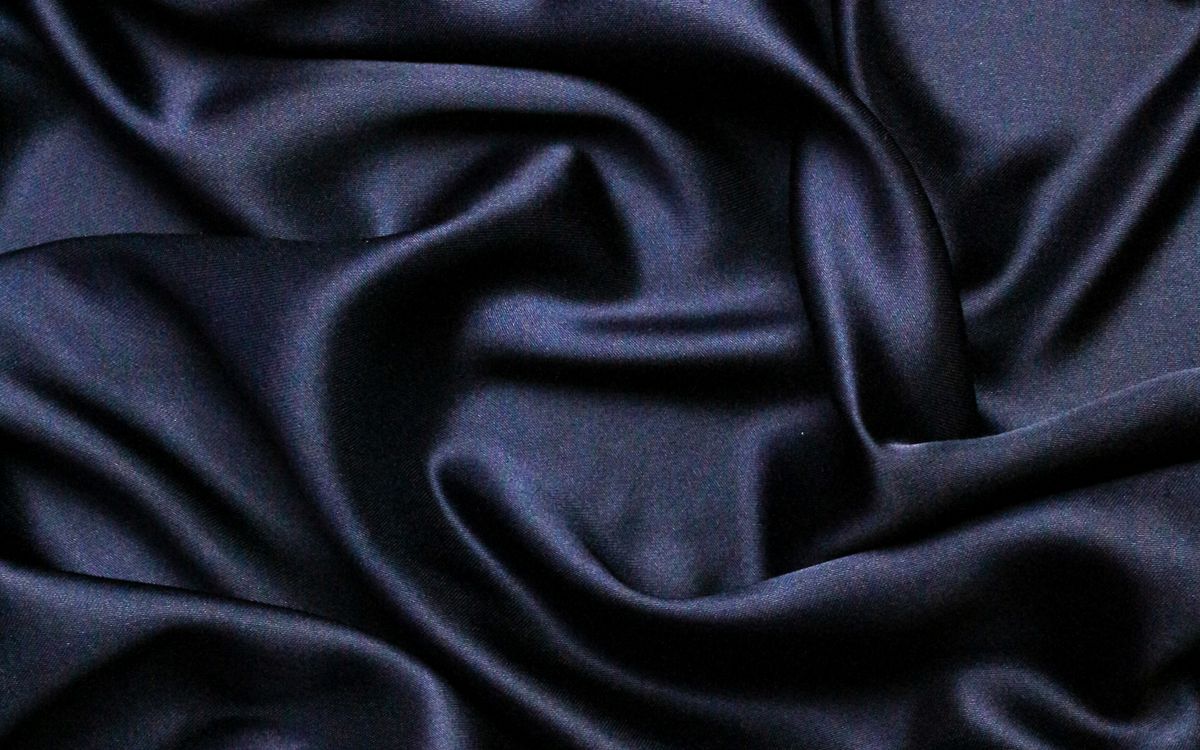
The weave also softens the fabric’s personality: twill drapes with a slight fluidity, catches light in a low luster along the diagonals, and feels quieter against skin than poplin’s crispness. Those traits make it the traveler’s weave and a common choice for daily office rotation. Its sheen is real but restrained — more visible than poplin’s matte face, less than a satin weave — which keeps it fully formal while admitting it is not the flattest cloth in the drawer.
Oxford and royal oxford: the texture fork
Oxford is the outlier among dress-shirt weaves because it borrows a basket structure: fine warp yarns crossed with deliberately heavier filler yarns, two weft yarns at a time. The result is a grainy, matte, substantial cloth that reads casual even in a button-down collar. Oxford resists wrinkles better than poplin simply by being thicker and textured — creases get lost in the grain — and it ages into softness rather than declining.
Royal oxford shares the name but sits a weave scale up: the interlacement pattern is much larger, the raised texture is pronounced, and the surface picks up a genuine sheen. In formality it lands closer to poplin than to ordinary oxford — it is a dressy, textured cloth popular for statement shirts, not the button-down staple its name suggests. The two are easy to confuse on a product page, which is why the weave name deserves a second look whenever the price tier changes.
| Property | Oxford | Royal oxford |
|---|---|---|
| Texture scale | Subtle basket grain | Large, pronounced raised pattern |
| Sheen | Matte | Noticeable |
| Typical setting | Business casual, button-downs | Dressier standalone shirts |
| Wrinkle behavior | Good; texture hides creases | Good; texture plus soft drape |
End-on-end and herringbone: weave as decoration
Two named weaves exist mainly to add visual interest without changing handfeel much. End-on-end is a poplin variant whose warp alternates white and colored yarns; from a step away it reads as a solid, up close it shimmers with a fine crosshatch. It keeps poplin’s flatness and poplin’s creasing, and adds depth a flat-dyed poplin cannot offer. It is the standard choice for buyers who want a “solid” shirt that is not visually flat.
Herringbone is a twill that reverses direction in narrow bands, producing chevrons across the surface. It inherits twill’s wrinkle resistance and adds a decorative pattern with a moving sheen — formal enough for business, but always a patterned look rather than a plain one. Herringbone and end-on-end solve the same problem (visual interest) from opposite ends: one adds texture through structure, the other through color alternation.
Matching weave to the week
The weave choice is really a scheduling choice — which days the shirt will be worn and what it must survive:
| Use case | Best weave | Why |
|---|---|---|
| Under a suit, formal meetings | Poplin | Flattest surface, cleanest read |
| Travel and long days | Twill or herringbone | Wrinkle recovery; creases release on the hanger |
| Business casual, button-down collar | Oxford | Matte texture dresses the shirt down |
| Standalone dressier shirt | Royal oxford or end-on-end | Texture and sheen carry the look |
| Hot climates | Poplin or end-on-end | Lightest constructions, coolest hand |
One practical note runs across all of them: weave changes how a shirt creases, not whether it needs care. Cotton shirting of any weave prefers cold washes and hanging dry, and the finishing notes on the care row usually reflect the yarn treatment rather than the weave itself.
Reading the weave line before buying
Weave, thread count, and finish together predict how a dress shirt behaves in rotation — the same spec-checking habit that applies to any garment purchase. On a product page, the useful lines are the weave name (poplin, twill, oxford, royal oxford, end-on-end, herringbone), the yarn count (two-ply 100s or 120s is the standard quality band for shirting), and the finish (garment-washed or easy-care). A listing that names the weave but not the count still tells the buyer most of what matters; the weave carries surface, sheen, wrinkle behavior, and formality in one word, which is why it is the first line worth reading — and the same one-word logic shows up again in the dedicated oxford shirt guide, where weave and weight decide the button-down staple.
Frequently asked questions
- Which dress shirt weave wrinkles the least?
- Twill wrinkles least among the common dress-shirt weaves. Its diagonal yarn interlacement leaves fewer pressure points where creases set, and the weave's natural give lets fabric recover from folding. Poplin, with its tight plain weave, creases more readily; oxford falls between the two and softens creases visually through its heavier texture.
- Is royal oxford the same as oxford?
- No. Regular oxford uses a basket-style plain weave with heavier filler yarns, producing a subtle square texture. Royal oxford uses a substantially larger weave structure with pronounced raised textures and a noticeable sheen — it reads dressier and shinier than ordinary oxford, closer in formality to poplin than to its namesake.
- What weave is best for a formal business shirt?
- Poplin is the conventional answer: its fine, flat, low-sheen surface sits cleanly under a suit jacket and reads formal without shine. Twill is equally acceptable and more forgiving of travel wrinkles. Weaves with strong texture or visible sheen — royal oxford, herringbone, prominent oxford — lean slightly toward standalone or smart-casual settings.