How to wash merino wool without shrinking it: the full method
Merino shrinks through felting: heat, agitation, and alkaline detergent make the fiber’s microscopic scales lock onto each other permanently. Wash cold, use a pH-neutral wool detergent, minimize movement, and dry flat — never hang, never tumble. A 10-minute basin wash or one careful machine wool cycle covers it. If the label says machine washable, believe it; the brand has already superwash-treated the fiber to remove the scales.
What actually shrinks wool: the felting mechanism
Wool fiber is covered in overlapping cuticle scales, like shingles on a roof. Under three conditions those scales catch on each other and ratchet tighter — fiber grabs fiber, the knit compacts, and the garment becomes both smaller and denser. That process is felting, and it is permanent: no washing method reverses it once the fibers have fused. Understanding the three triggers turns the whole subject from superstition into control:
| Trigger | What it does | How to avoid it |
|---|---|---|
| Heat (above roughly 30°C) | Softens the fiber so scales grip and set | Cold water only; no radiators, no tumble dry |
| Agitation (rubbing, wringing, machine tumbling) | Mechanically forces scales to ratchet into each other | Soak instead of scrub; wool or delicate cycle |
| Alkalinity (regular detergent, bleach) | Swells the fiber and sharpens scale grip | pH-neutral wool wash; no softener either |
Two clarifications dissolve most of the folklore. First, cold water alone does not make washing safe — agitation in cold water can still felt a fine knit, which is why hand-wash method matters more than temperature. Second, “shrinkage” in the dryer is mostly felting plus residual relaxation: the garment loses area permanently rather than temporarily tightening. Cotton shrinks by a different, partly reversible mechanism; wool’s version does not forgive.
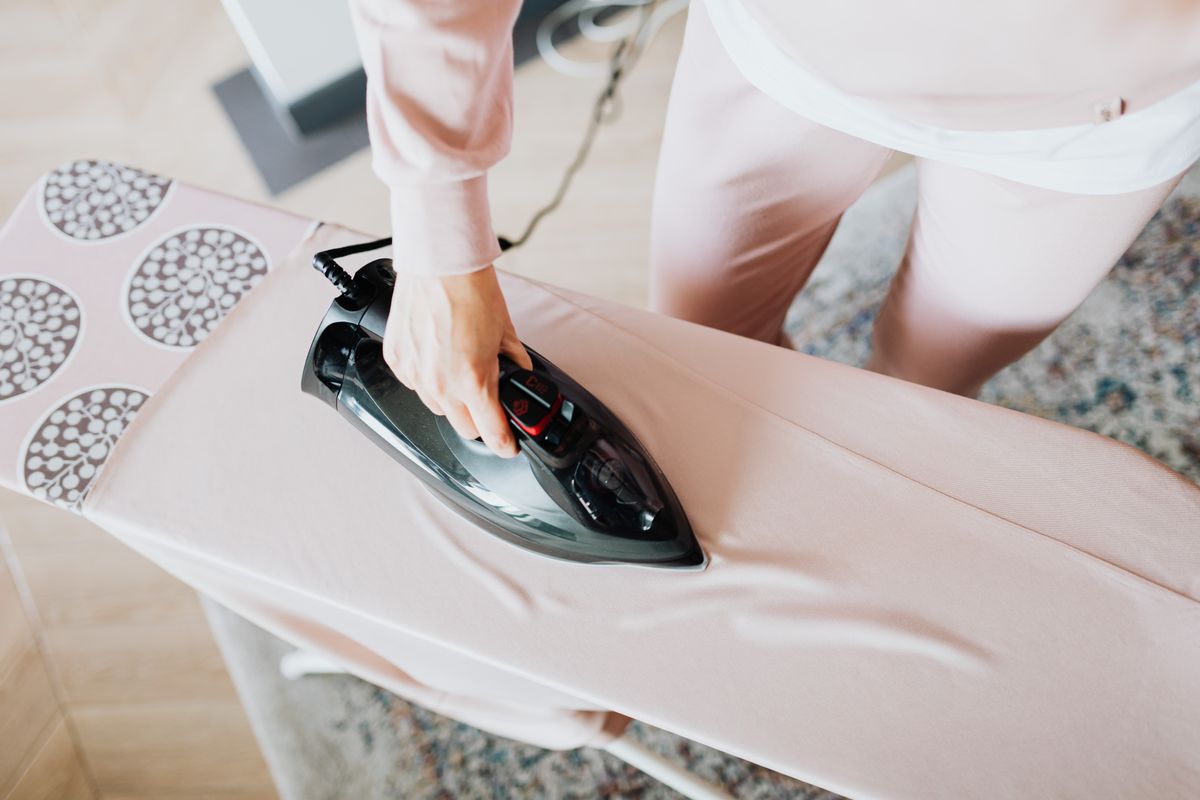
The hand-wash method, start to finish
Hand washing is the universal method — safe for every merino garment, labeled or not, and faster than it sounds. The active work is about ten minutes; most of the cycle is waiting.
- Fill a basin with cold tap water (up to 30°C at most — the water should never feel warm to the touch) and add a small dose of wool wash. No wool wash is a workable emergency; plain cold water alone cleans lightly worn wool, just less thoroughly.
- Turn the garment inside out and submerge fully. Press it under with your hands a few times — pressing is fine, rubbing is not. Let it soak 10 to 20 minutes; heavily soiled hems and cuffs benefit from up to 30.
- Rinse in cold water of the same temperature. A temperature jump between wash and rinse shocks the fiber. Drain the basin and refill twice, pressing the water through the knit rather than wringing it.
- Press out the water — never wring. Wringing twists the scales into each other, the highest-agitation moment of the entire process. Press the garment against the basin floor, then roll it in a dry towel and press again; the towel absorbs most of the remaining water.
- Dry flat, reshaped to its original dimensions. Lay the damp garment on a dry towel or drying rack, ease the sleeves and body back to size while damp (damp wool stretches easily and holds the shape it dries in), and leave it flat until fully dry — typically a day indoors, faster near airflow. Hanging at any point stretches the wet knit under its own weight; heat sources (radiators, direct sun, the dryer) felt it.
The machine route: when the label allows it
Many modern merino garments — especially base layers and anything from brands that expect athletic use — are machine washable by design, either because the wool was superwash-treated (scale-removed chemically or with a polymer coating) or because the knit construction tolerates a wool cycle. When the care label says machine washable, the route is safe and easier than hand washing:
| Label says | Safe machine settings | Still required |
|---|---|---|
| “Machine washable wool” / wool cycle icon | Wool or delicate cycle, cold, low spin (600 rpm or less) | Wool detergent; no softener |
| Hand wash symbol only | Hand wash is the method; no machine | — |
| Dry clean only | Dry cleaning | Usually means structure or lining, not the wool |
Two machine details matter more than people expect. The spin cycle, not the wash phase, does most machine damage — a 1,200 rpm spin presses wet scales together hard, so cap it low or skip it and towel-press instead. And the mesh laundry bag is not decorative: it prevents the garment snagging or stretching around the drum during agitation. Drying is identical to the hand-wash route — flat, reshaped, away from heat. The dryer is the one step with no exception; there is no tumble setting that beats flat drying for wool, and the dryer is where more merino has died than every other trigger combined.
Detergent: the quiet trigger most people miss
Regular laundry detergent is engineered to be alkaline — roughly pH 9 to 11 — because that pH cleans cotton and synthetics well. Wool is a protein fiber, chemically closer to hair, and alkalinity swells the fiber and roughens its scale edges, precisely the state in which scales grip each other. Washing merino in normal detergent is therefore a felting event even in cold water with no agitation — the trigger list at the top of this page has three entries, and detergent is the one most households get wrong.
Wool-specific detergents are pH-neutral (or mildly acidic) and formulated to clean protein fiber without swelling it; this is their entire job, and it is worth using one rather than improvising. Three more detergent rules: fabric softener is banned (it coats the fiber, kills wicking, and can yellow protein fibers), bleach dissolves wool outright, and enzyme-based detergents digest protein — an enzyme “stain remover” and a merino sweater are a chemical mismatch, since the enzyme cannot distinguish a grass stain from the fiber holding it. When in doubt, the label decode guide breaks down which care-line terms on a garment are legally meaningful and which are suggestions.
Between washes: airing replaces laundering
Wool’s least appreciated property is that it barely needs washing. The fiber’s cuticle resists absorbing bacteria-driven odor compounds the way cotton does, and merino garments worn against skin routinely go many wears without developing smell. The practical rhythm for a merino wardrobe:
- Air it out. Hanging a worn garment in a ventilated space overnight resets most odor. Sunlight adds a mild antibacterial effect — brief sun exposure, not hours of it, since UV degrades fiber over time.
- Spot clean. A damp cloth and a drop of wool wash handle most localized marks without a full wash, and every full wash avoided is felting risk avoided.
- Wash only when soiled or the airing stops working. For a base layer worn during exercise this might mean weekly; for a sweater worn over a shirt, a full winter often needs two or three washes total.
This rhythm is also why wool’s care reputation overstates its difficulty: a cotton tee needs washing after every wear, a merino one does not, and the total washing burden over a season is lower — the arithmetic flips once the method is known.
If it already shrank: the limited recovery protocol
Recovery depends on how far felting went. If the garment shrank but still feels soft and stretchy — early-stage felting — a soak-relaxation can reclaim part of the lost size. The method: soak the garment in lukewarm water with a tablespoon of hair conditioner or a capful of wool wash for 30 minutes (the conditioner relaxes the fiber the way it relaxes hair), drain, then lay it flat on a towel and gently stretch it back toward its original dimensions, working section by section and pinning or weighing the edges if needed. Dry flat as usual. Recovery is partial — expect most of the length back, less width — and the garment will retain a memory of the event.
If the garment hardened — dense, stiff, with a cockled surface texture — the fibers have fused and the knit has effectively become felt. Nothing reverses that; the wool is now a different material. The failure mode to internalize is that all three triggers compound: the classic disaster is a regular-detergent, warm-water, full-agitation machine wash followed by a hot tumble dry, which runs every trigger simultaneously. Remove any one of the three and the garment survives; remove all three with the method above and merino is, genuinely, one of the lowest-effort fibers to own. The same fiber-fine-ness logic that makes merino comfortable next to skin — and the reason micron counts matter for beanies — shows up again in headwear, and the weave-level contrast between wool knits and cotton wovens runs through [the chambray-versus-denim comparison](/articles/chambray-vs-denim/.
Frequently asked questions
- Can merino wool go in the washing machine?
- Yes, if the care label allows it and the machine has a genuine wool or delicate cycle — cold water, slow spin, under 20 minutes of agitation, ideally in a mesh laundry bag. Machines without a wool cycle use agitation patterns that felt the fiber, so hand washing is the safer route for anything knit fine.
- Why did my merino shrink even in cold water?
- Temperature is only one of three triggers. Agitation, alkaline detergent, and a hot dryer each felt wool independently — and the dryer is the most aggressive. Cold water plus a spin cycle plus tumble heat can shrink a sweater more than a warm hand wash with zero agitation.
- Can shrunken merino be stretched back?
- Partly, if the garment felted rather than fully matted. Soaking in lukewarm water with a little hair conditioner or wool wash relaxes the fibers, then gentle manual stretching while damp and drying flat recovers some length. Fully matted wool — hard, dense, surface-cockled — has physically fused fibers and cannot be restored.