Alpaca vs Mohair: luster, prickle, and how the two fibers actually differ
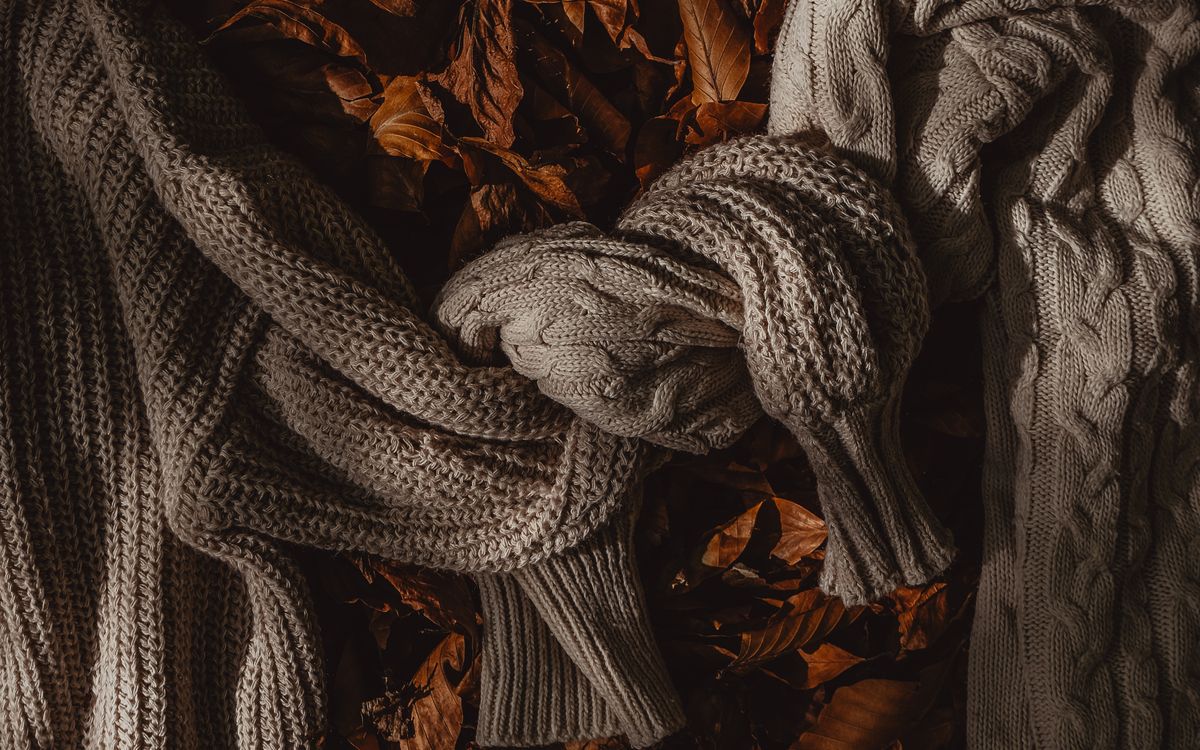
Alpaca and mohair are the two luxury fibers most often confused with each other and with wool, because both are warm, lustrous, and usually sold without the spec detail that would let a buyer judge them. They come from different animals on different continents, behave differently in a knit, and age differently on the body. This guide puts the two fibers side by side on the numbers that matter — diameter, luster, structure, and durability — and then translates the numbers into label-reading.
Short answer
Alpaca is the hollow, crimp-free fiber of a South American camelid: very warm for its weight, silky to matte depending on grade, but prone to shedding in loose knits because it has no crimp to grip. Mohair is the lustrous fiber of the Angora goat: springy, dyes to luminous depth, strongest in kid grades and usually blended, and coarser with the animal’s age. Neither is a wool substitute; each rewards different constructions.
Two fibers from two very different animals
Alpaca fiber comes from the alpaca, a domesticated camelid of the Andes, sheared like sheep but evolutionarily built for altitude: the fleece evolved to insulate against thin, cold air and strong sun. Two breeds dominate the commercial fleece. Huacaya, the overwhelmingly common one, grows a dense, crimpy-looking fleece that gives the animal a teddy-bear silhouette; Suri grows fiber in long, lustrous, twisted locks that drape like wet hair. Nearly all commercial alpaca yarn blends or mixes the two, but Suri-dominant yarns are noticeably shinier and slicker than Huacaya-dominant ones.
Mohair comes from the Angora goat — not the Angora rabbit, which produces a different fiber entirely called angora. The goat is sheared twice a year, and the fiber’s fineness tracks the animal’s age closely: the first clip from a kid is the finest and commands the highest price, and each subsequent year’s fleece gets coarser. This age grading is built into the trade’s own vocabulary — kid mohair, young goat, adult — which is more transparent than most luxury-fiber labeling. The fiber’s defining trait is luster: mohair reflects light off its smooth scales so strongly that dyed mohair knits look lit from within, which is why it anchors so many fashion yarns and why it was historically the fiber of choice for suiting pile fabrics like astrakhan and for doll hair.
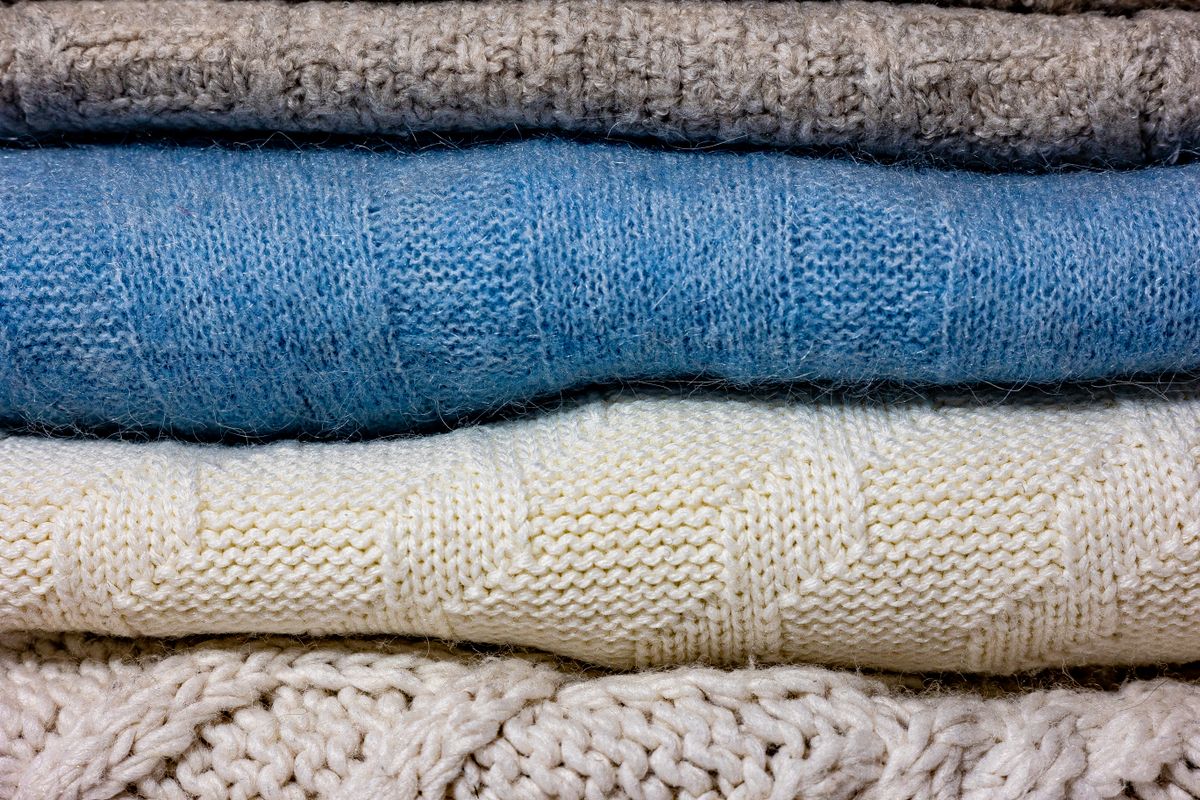
Fiber diameter: the numbers behind the hand
Fiber fineness, measured in microns, is the best single predictor of how a fiber feels against skin, and both fibers span wide ranges — wide enough that grade matters more than species.
| Fiber grade | Micron range | Against skin |
|---|---|---|
| Royal alpaca | Under 19 | Soft by any standard |
| Baby alpaca | Roughly 21-23 | Comfortable for most wearers |
| Standard alpaca | Roughly 26-30 | Borderline next to skin; fine in outer layers |
| Kid mohair | Roughly 23-27 | Comfortable; the soft end of mohair |
| Young goat mohair | Roughly 27-32 | Fine in blends; slightly springy-pricky alone |
| Adult mohair | Roughly 33-38+ | Outer layers and blends only |
Two cautions temper the table. First, “baby alpaca” is a fineness grade, not an animal age — the term refers to fleece fineness thresholds, and enforcement varies by country of origin, so the number is more reliable than the word. Second, diameter is not the whole comfort story: alpaca’s near-total lack of crimp means its fibers lie flat against skin more readily than wool of the same micron count, which is why some wearers find standard alpaca pricker than fine merino despite comparable numbers. The merino micron guide covers that interaction in more depth, since merino’s crimp is precisely what alpaca lacks.
Luster and handle: why they look different under light
Luster is the most reliable visual separator. Mohair’s scale structure lies smooth and reflective, so the fiber gleams — dyed mohair has a wet-look shine that survives knitting and washing, and mohair-silk blends push it further into the glossy territory that fashion knitwear exploits deliberately. Alpaca sits a step down: fine grades carry a silky sheen, but standard grades read as matte with a soft halo, and brushed alpaca knits deliberately raise a haze that scatters light rather than reflects it.
Handle differs in a way hands learn quickly. Mohair is springy — it has more resilience than alpaca and resists crushing, which is why mohair knits hold their volume and why the fiber is prized in socks and suiting pile. Alpaca is denser and drapier: it hangs in soft folds, warms instantly on contact, and creases less, but the same limpness means a loose alpaca knit grows rather than rebounds. These are the same mechanics the wool suiting guide works through for wool — crimp drives spring, and crimp-free fibers drive drape — playing out across a different species.
Warmth, weight, and the hollow-fiber question
Alpaca’s warmth-to-weight advantage is structural: the fiber core is largely hollow, medullated, so still air is trapped inside the fiber as well as between fibers. The fiber is also smoother than wool, which reduces the friction that traps warmth less efficiently — the combined effect is a fabric that insulates noticeably per gram above what its weight suggests, and drapes warm rather than bulky. Alpaca also contains no lanolin, so it is hypoallergenic in the wool-allergy sense and processes without the scouring wool requires.
Mohair insulates well but its strength is loft: mohair-silk loop yarns hold enormous volume at modest weight, which is why the brushed mohair-silk sweater category — heavy-looking, light-wearing, very warm — exists at all. Both fibers share a moisture property worth knowing: both wick and release moisture, though neither absorbs as much as wool relative to weight, and neither carries wool’s natural odor resistance fully. For wet-cold climates, that makes both fibers layering fibers rather than shell fibers; the climate-weight map positions them against wool and synthetics for exactly that reason.
Pilling, shedding, and how each ages
Both fibers age less gracefully than wool in one specific way, and the cause is the same: low crimp means low mechanical grip. Wool’s crimped fibers spring against each other inside a spun yarn and hold; alpaca’s and mohair’s smooth fibers can slide, so fiber ends migrate to the fabric surface. In loose, lightly twisted, or brushed yarns this shows as shedding — visible haze, especially on dark colors and under light-colored coats. In worn yarns, the migrated fibers tangle into pills. The knitwear pilling guide traces this mechanism for knitwear in general; the short version is that fiber length, twist, and knit density outrank species as predictors.
Mohair’s partial defense is its silk-blend tradition: mohair-silk loop yarns twist hard, knit dense, and the silk core locks the mohair halo in place, which is why the classic brushed mohair sweater sheds less than its cloud-like look suggests. Alpaca’s defense is dense knitting and longer staple: a tightly knit, heavy-gauge alpaca in long-fiber yarn wears cleanly, while a loose brushed baby-alpaca knit sheds from the first wear. Neither fiber tolerates the wash-and-dry routine cotton does — both felt and both prefer airing to washing, and the wool storage rules apply to both off-season, with moth protection mattering as much as folding.
Reading the label: what the words actually claim
| Label term | What it indicates | What to check |
|---|---|---|
| Royal / Baby alpaca | Fineness grade, finer end of the range | Whether a micron figure is stated; enforcement varies |
| 100% alpaca | Species claim, any grade | Knit density and yarn twist, which decide shedding |
| Kid mohair | First-clip goat fiber, finest grade | Whether the yarn is 100% mohair or a blend |
| Mohair-silk blend | Typically mohair on a silk core or ratio blend | The stated ratio; higher silk means less loft, more shine |
| Brushed mohair | Surface brushed to raise halo | Core yarn type; silk-core versions pill least |
The cashmere grade guide applies the same reading discipline to the third luxury fiber in this family, and is worth reading alongside — the three fibers share labeling habits, and a buyer fluent in one reads the others correctly. For care across all of them, the fabric certification guide identifies which third-party marks actually audit fiber claims on luxury yarns, a check that matters more here than on commodity cotton precisely because the price premium rests on unverifiable grade words.
Frequently asked questions
- Which is softer, alpaca or mohair?
- It depends on the grade and the knit, but alpaca is generally the safer bet for next-to-skin softness. Fine alpaca runs roughly 21 to 26 microns, while mohair typically spans 23 to 38 microns and gets coarser as the goat ages — kid mohair is the soft exception. Alpaca also has no crimp, so it lacks the springiness wool uses to keep fiber ends away from skin, which is why loose alpaca knits can shed and feel pricky despite a modest micron count.
- Is alpaca warmer than wool?
- Alpaca fiber is largely hollow, which traps still air inside the fiber itself, and the fiber's smooth surface insulates efficiently for its weight. Most knitters and mills rate alpaca noticeably warmer than sheep's wool at equal knit density. Mohair insulates well too, but its signature quality is loft and luster rather than max warmth.
- Why do alpaca and mohair garments shed and pill?
- Both fibers are smooth and low-crimp, so they lack the mechanical grip wool fibers use to hold each other in a spun yarn. Long, loosely twisted yarns can slip fibers to the surface, showing as shedding, while short or worn yarns work fibers loose into pills. Dense, tightly twisted, long-fiber yarns shed and pill least; brushing and loose knits shed most.